|
Category: High-Availability
#TSQL2SDAY (8) Administration (41) AI (2) AlwaysOn Availability Groups (11) Azure (12) Career (25) Community (37) Continuous Integration / Deployment (7) Development (12) Disaster Recovery (27) General (20) High-Availability (9) Microsoft SQL Server (20) Performance (30) PowerShell (12) SQL Agent (8) SQL Server Management Studio (2) SSAS (1) SSIS (1) SSRS (2) T-SQL (14) Uncategorized (191) Windows Clusters (7)
-
Top 10 Tips for Availability Groups
/
I have enjoyed working with Availability Groups ever since they were released with SQL Server 2012. Each major version since, the feature has improved…
-

Connecting your Azure regions
/
In this post, I am going to demonstrate how to configure virtual network gateways in Azure using Resource Manager. This is important for connecting…
-
Measuring Availability Group Synchronization Lag
/
With all of the high-availability (HA) and disaster recovery (DR) features, the database administrator must understand how much data loss and downtime is possible…
-
Availability Group Architecture – DR on the Cheap
/
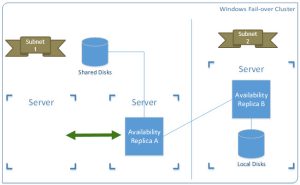
Last time, I discussed how to limit data duplication between data centers as a cost-effective option with an Availability Group. In this post I will…
-
Availability Group Architecture – Adding a Second Site
/
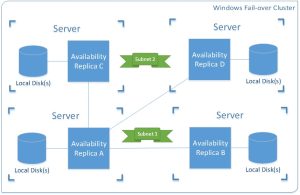
Last time, I discussed the simplest Availability Group architecture, with only a single site. In this post I will expand upon the same architecture,…
-

Availability Group Architecture – High-Availability Only
/
Availability groups offer us a variety of features. They offer high-availability (HA), they can give disaster recovery (DR), and they have connectivity and off-loading features…
-
ApexSQL’s Response to the Community
/
The end of last year I did a review on ApexSQL Restore, a tool used to attach SQL Server native backup files to a…
-
Accelerating the restore process – ApexSQL Restore – Product Review
/
Infographic: “Your Backups – Restored from the Dead” To be a database administrator is to accept a life of stress and paranoia. We are…
-
How to: Configure SQL Server 2012 AlwaysOn – Part 3 of 7
/
How to: Configure SQL Server 2012 AlwaysOn Enabling the AlwaysOn Feature Quick post on how to enable the AlwaysOn feature at the database instance…